
Binders vs Chelators: What Actually Moves Metals — And What Keeps Them From Coming Back
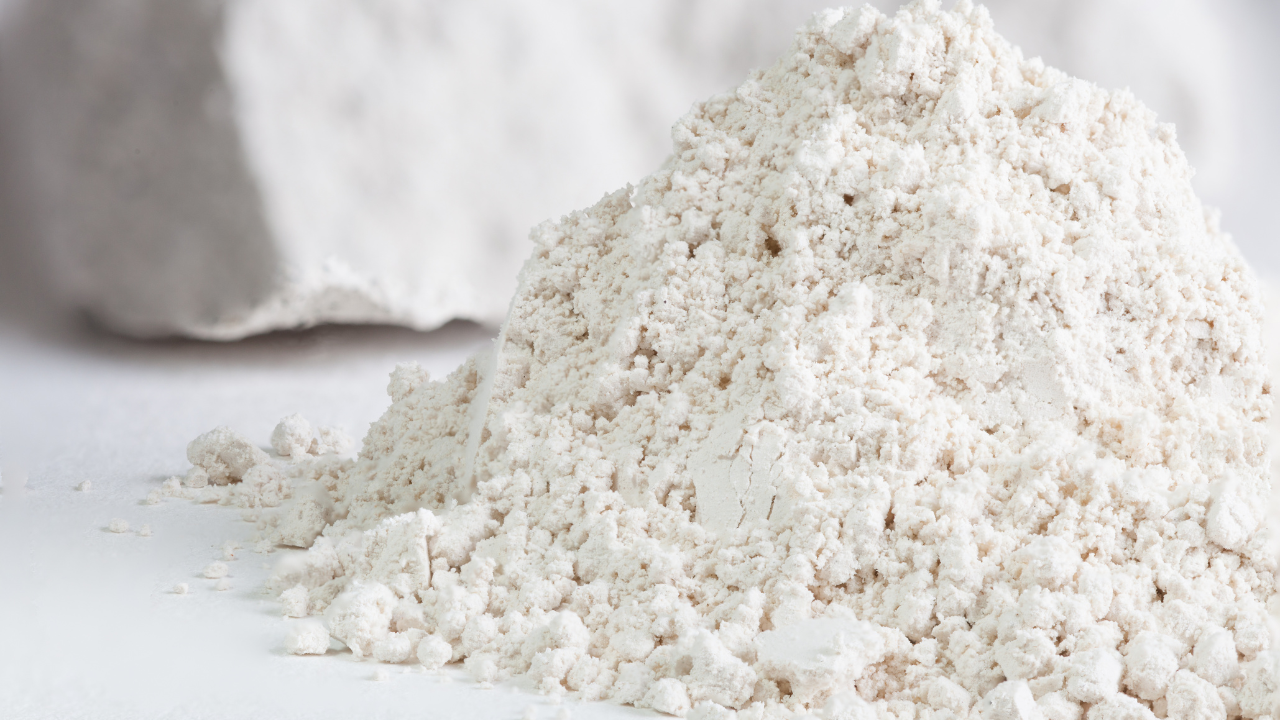
One of the biggest points of confusion in heavy metal detox is the difference between binders and chelators. The terms are often used interchangeably online, but physiologically, they perform very different jobs.
Understanding this distinction is not academic. It directly determines whether detox leads to:
steady clearance
repeated symptom flares
or long-term redistribution
Most detox problems don’t come from using the wrong “product.”
They come from using the right tool at the wrong time, or using one tool without the other.
Binders and Chelators Are Not the Same Thing
Here’s the cleanest way to think about it:
Chelators mobilize metals from tissues into circulation.
Binders trap metals inside the gut and carry them out of the body.
Chelators create movement.
Binders create containment.
You need both — but not in the same way, and not in the same proportion.
What Chelators Actually Do
Chelators are molecules with sulfur or carboxyl groups that bind tightly to positively charged metal ions. When taken internally, they can:
pull metals out of soft tissues
enter circulation with the bound metal
and escort it toward elimination routes
Some chelators also cross the blood–brain barrier, mobilizing metals from nervous tissue.
The key point:
Chelators do not eliminate toxins on their own.
They only move them.
Once a chelator-metal complex reaches the liver and bile or the kidneys and urine, binders and filtration capacity must already be present — or the metal is simply redistributed.
What Binders Actually Do
Binders work inside the gastrointestinal tract, not in the bloodstream. Their job is to:
trap metals excreted into bile
bind endotoxins and inflammatory byproducts
prevent reabsorption through the gut wall
escort toxins safely into the stool
Binders create finality.
Without binders, metals released by chelation have only two options:
get reabsorbed
or get redistributed into new tissues
Why People Feel Worse Without Adequate Binders
Here’s the common pattern:
Chelation begins
Metals leave tissues
Bile dumps mobilized metals into the gut
There are not enough binders present
Metals get reabsorbed
Symptoms flare
This is why people often feel:
worse at night
worse after meals
worse after increasing chelators
worse several days into a protocol
It isn’t because detox is “too intense.”
It’s because containment hasn’t matched movement.
Binders Without Chelators: Helpful, But Limited
Using binders alone can:
reduce toxic load in the gut
lower reabsorption
improve metabolic clarity
decrease inflammatory burden
But binders do not pull metals out of deep tissue. They primarily act on:
metals being excreted naturally
bile-bound toxins
food-based exposures
This is why binder-only protocols often feel:
calming
stabilizing
grounding
But then plateau.
They support detox hygiene — not deep mobilization.
Chelators Without Binders: High Risk for Redistribution
Using chelators without adequate binders is like:
stirring up ash without a vacuum
washing paint off a wall without protecting the floor
Movement increases.
Containment does not.
Redistribution looks like:
new neurological symptoms
sudden anxiety
emotional volatility
migrating pain
worsening fatigue
pressure in the head
sleep disruption
This doesn’t mean chelators are dangerous.
It means they are power tools — and power tools require infrastructure.
The Missing Layer: Elimination Capacity
Even with perfect binders and chelators, detox still depends on:
daily bowel movements
bile production and flow
kidney filtration
hydration
mineral availability
antioxidant buffering
nervous system regulation
If elimination is sluggish, even properly bound toxins can stall.
Binders and chelators don’t replace:
constipation management
bile support
kidney support
electrolyte balance
They work within those systems, not instead of them.
The Right Question Isn’t “Which Is Better?”
The wrong question is:
“Should I use binders or chelators?”
The right question is:
“What phase of detox am I in right now?”
Early phases → binders and minerals dominate
Mid phases → binders + gentle mobilization
Deeper phases → chelators layered onto full containment
Rest phases → binders taper, minerals rebuild
This is not about choosing a side.
It’s about sequencing intelligently.
Why Phase-Based Detox Changes Everything
Phase-based detox prevents:
sudden overload
cumulative redistribution
panic reactions
protocol hopping
It allows the body to:
adapt enzymatically
expand elimination capacity
rebuild reserves
and tolerate deeper release with steadiness
This is what makes detox sustainable — not aggressive.
A Calm Closing
Chelators move metals. Binders secure the exit. One without the other creates instability.
When both are combined with:
minerals
bile flow
bowel regularity
hydration
antioxidant support
and nervous system safety
Detox becomes less reactive and more directional.
For those wanting a clear, phase-based structure that shows exactly how binders and chelators are sequenced together safely, this framework is expanded in Heavy No More. This article represents one piece of that larger system.
Detox doesn’t require force.
It requires containment matched to movement.