
Natural Ways to Support High Blood Pressure in NW Calgary – A TCM Perspective
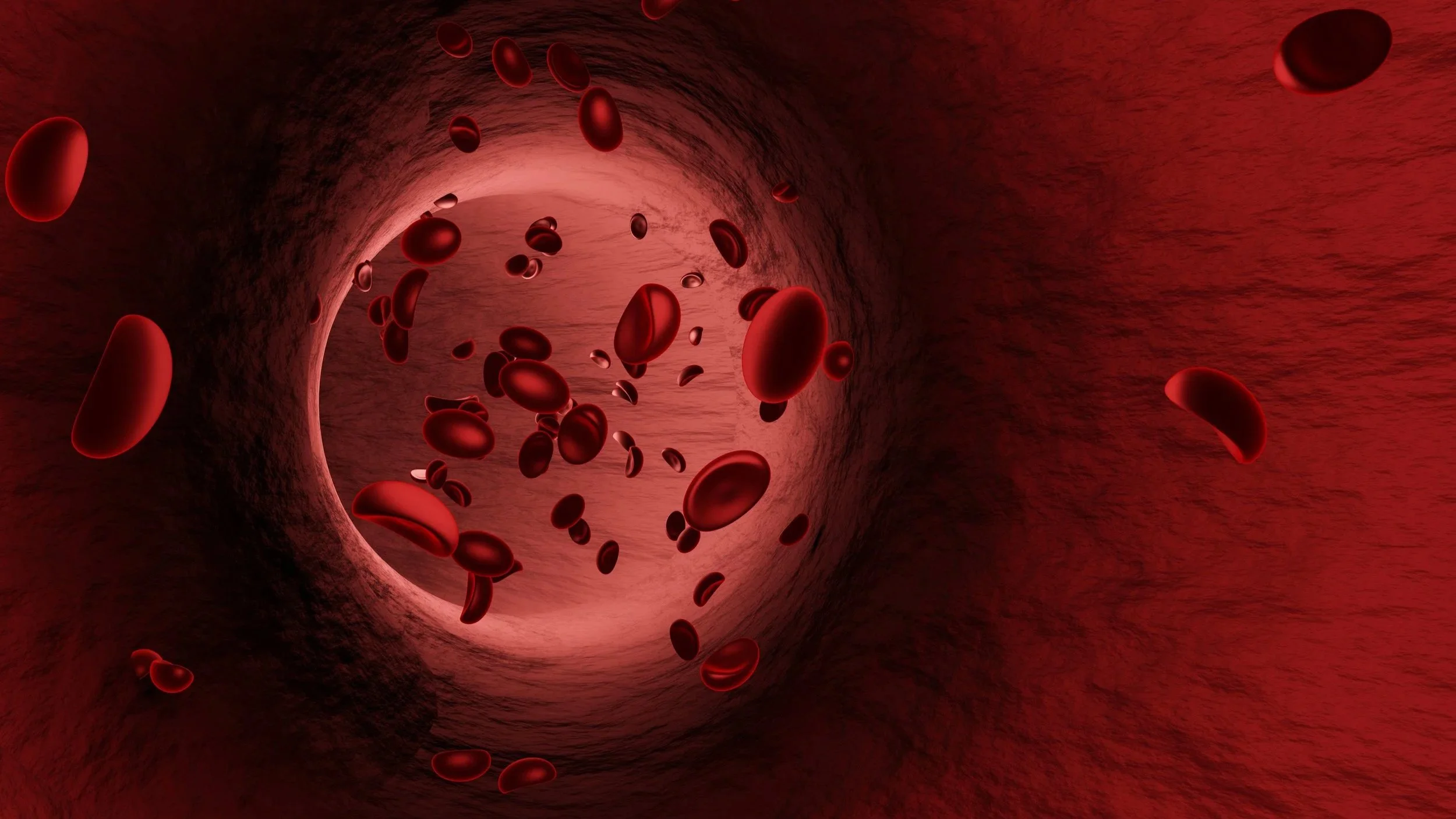
If you’re dealing with high blood pressure in Capitol Hill, Mount Pleasant, Briar Hill, West Hillhurst & surrounding NW Calgary, you’re not alone…
High blood pressure is often explained in Western medicine as the result of genetics, stress, inflammation, hormonal changes, and lifestyle factors that cause blood vessels to stay tighter than they should.
From a Traditional Chinese Medicine perspective, however, high blood pressure isn’t a diagnosis, it’s a signal that the body has lost its ability to regulate movement, nourishment, and rest.
The TCM Lens: Why Pressure Builds
Blood pressure rises when the body loses its internal rhythm. In TCM this usually shows up through three overlapping patterns:
1. Liver Qi Constraint
When stress and emotional strain aren’t processed well, the Liver’s ability to keep Qi flowing smoothly becomes impaired. This creates internal tension — physically and emotionally — leading to irritability, chest tightness, headaches, cold hands and feet, and a feeling of being constantly “wound up.”
2. Blood & Yin Deficiency
When digestion is weak or nourishment is inadequate, the body can’t build enough Blood and Yin to anchor itself. This leads to fatigue, poor sleep, hot flashes, hair thinning, emotional fragility, and a loss of the body’s natural calming mechanisms.
3. Digestive Weakness (Spleen Qi Deficiency)
When the digestive system loses its ability to transform food into usable energy, the entire system becomes under-fuelled. Over time this weakens circulation, disrupts sleep, destabilizes mood, and leaves the body less capable of regulating pressure naturally.
Foods That Support Regulation
Across both medical systems, the foods that help blood pressure tend to do the same things:
Nourish Blood
Support digestion
Improve circulation
Calm internal tension
These include:
Eggs, fish, poultry, soups, stews
Oatmeal, rice porridge, squash, carrots, beets
Leafy greens, bok choy, Swiss chard
Goji berries, bone broth, warm cooked meals
The Nitrate Connection
Many of the foods that support circulation in TCM are also naturally high in nitrates, which your body uses to make nitric oxide — a molecule that relaxes blood vessels.
Examples include:
Beets
Arugula (rocket)
Spinach
Swiss chard
Celery
Romaine
Bok choy
Parsley and cilantro
Nitric Oxide and Blood Pressure
Nitric oxide (NO) is a natural signalling molecule made by the lining of your blood vessels. Its job is to help the vessels relax and widen so blood can flow more easily. When nitric oxide levels are low, blood vessels stay tighter than they should, which increases resistance and contributes to high blood pressure.
Your body has two pathways to produce nitric oxide:
Pathway 1 – Internal Production
Your blood vessels make nitric oxide directly using amino acids, minerals, good digestion, sleep, and emotional balance.
Pathway 2 – Food → Mouth → Nitric Oxide
Nitrates from vegetables are absorbed into the bloodstream, concentrated in saliva, converted by beneficial oral bacteria into nitrites, and finally turned into nitric oxide after swallowing.
Why Your Toothpaste and Mouthwash Matter More Than You Think
One of the main ways your body produces nitric oxide is through a process that depends on the beneficial bacteria living in your mouth. After you eat nitrate-rich foods like beets or leafy greens, those nitrates are absorbed into your bloodstream and then concentrated into your saliva. From there, the only way they can be turned into nitric oxide is if specific oral bacteria convert them into nitrites.
Here’s the problem: many commercial toothpastes and mouthwashes are designed to kill bacteria indiscriminately.
Products labelled:
Antiseptic
Antibacterial
Kills germs / kills bacteria
don’t just remove harmful microbes — they also wipe out the very bacteria your body needs to complete this nitric oxide pathway.
Common ingredients that disrupt this process include:
Chlorhexidine
CPC (cetylpyridinium chloride)
Triclosan
When these bacteria are reduced, your body may struggle to convert dietary nitrates into nitric oxide — even if you’re eating all the right foods. Over time, this can quietly contribute to stiffer blood vessels and rising blood pressure.
Look for oral care products that are:
Alcohol-free
Non-antiseptic
Without antibacterial claims
Labelled as microbiome-friendly
This small change protects one of the body’s most important natural tools for keeping blood vessels relaxed.
The Takeaway
High blood pressure isn’t something to “fight.”
It’s something to restore balance to.
By improving digestion, nourishing Blood and Yin, reducing internal tension, supporting nitric oxide production, and protecting your oral microbiome, you give your body the tools it needs to regulate itself again.
I’m now welcoming new patients at my Capitol Hill, NW Calgary clinic.