
Acupuncture for Children in Calgary — Safe, Gentle & Effective
If you're a Calgary parent considering acupuncture for your child, you probably have questions. Is it safe? Will they tolerate needles? What can it actually help with?
These are exactly the right questions — and the answers might surprise you.
Pediatric acupuncture is one of the most underutilized tools in children's healthcare. It's gentle, non-invasive, and remarkably effective for a wide range of childhood health concerns — from chronic digestive issues and sleep problems to anxiety, emotional dysregulation, and recurrent illness. And for families in NW Calgary, it's one of the most distinctive things a family acupuncture practice can offer.
For the full list of conditions treated and what to expect at your child's first appointment, see the Acupuncture for Children service page. For a detailed answer to the safety question specifically, see Is Acupuncture Safe for Children? A Calgary Parent's Guide.
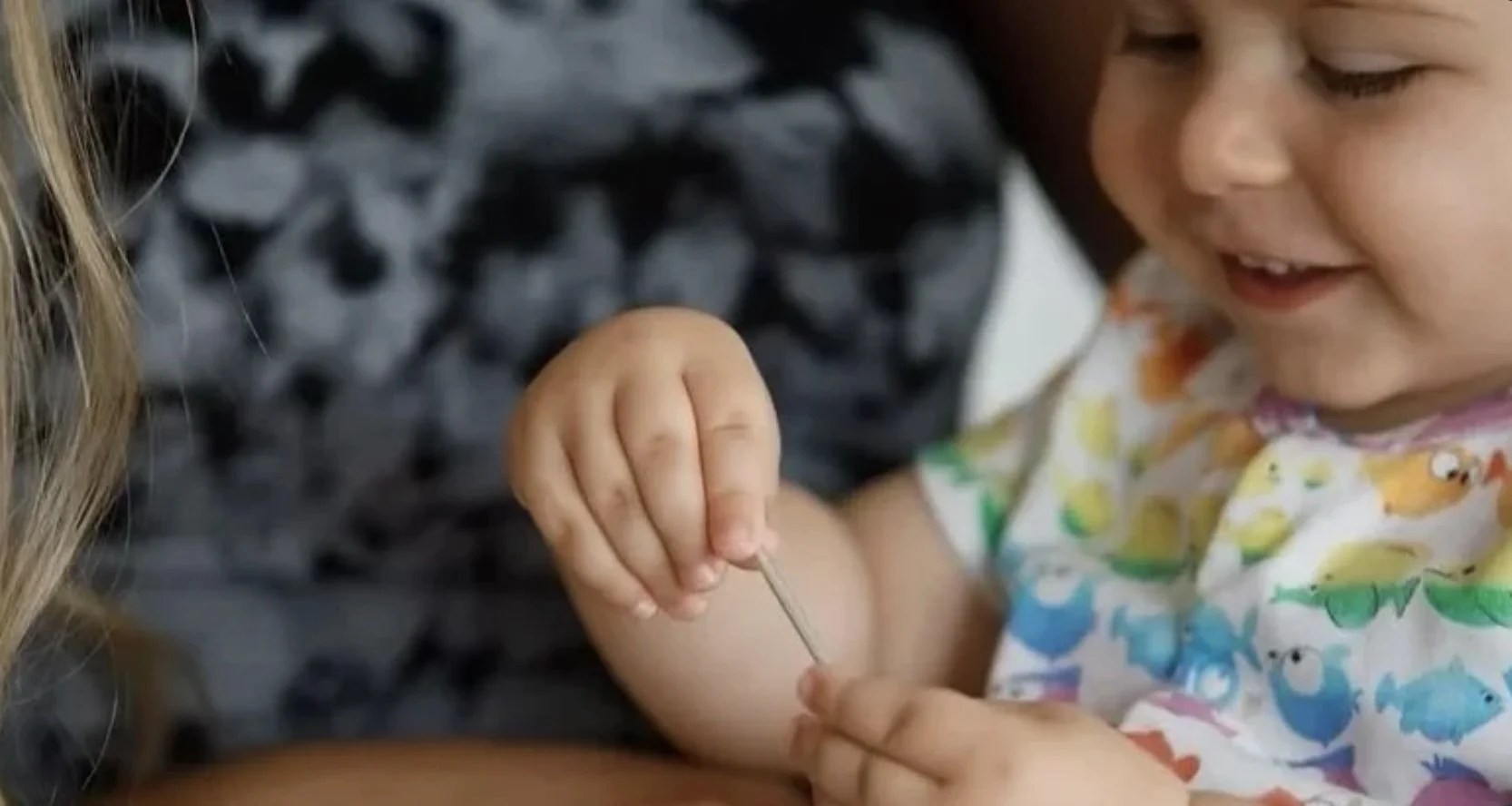
Is Acupuncture Safe for Children?
Yes — when performed by a qualified practitioner, acupuncture is safe for children of all ages including infants.
Pediatric acupuncture uses the same principles as adult treatment but is adapted entirely for younger patients. Needles used for children are finer, retention times are shorter, and for very young children and infants, needles may not be used at all. Instead, techniques like shonishin — Japanese pediatric acupuncture using non-insertive tools — acupressure, and Tui Na massage are used to stimulate the same points gently and effectively.
Children's bodies are highly responsive to acupuncture — often more so than adults — because their systems are still developing and tend to shift quickly with the right support.
What Pediatric Acupuncture Treats
Traditional Chinese Medicine looks at children differently than it does adults. Children are considered to have immature digestive and immune systems — which is why so many childhood health concerns cluster around digestion, immunity, and the nervous system.
Digestion — colic, abdominal pain, constipation, diarrhea, poor appetite, picky eating, bloating, and reflux. Digestive issues are among the most common presentations in pediatric practice and among the most responsive to treatment. See Baby Colic & Infant Digestion Problems for the full picture of infant digestive care.
Sleep — difficulty falling asleep, frequent night waking, night terrors, nightmares, and restless sleep. Sleep and daytime behavior are deeply connected in children — as sleep improves, emotional regulation, focus, and overall wellbeing typically follow. See Acupuncture for Children's Sleep Problems in Calgary.
Immunity and Respiratory Health — recurrent colds and upper respiratory infections, chronic cough, lingering phlegm, asthma, wheezing, sore throat, and ear infections. TCM strengthens the foundational systems that produce immune resilience rather than simply managing infections as they arise. See Acupuncture for Children's Immune Support in Calgary.
Emotional and Behavioral Health — anxiety, stress, hyperactivity, inattentiveness, emotional dysregulation, and somatic symptoms including stomach aches and headaches with no clear medical cause. See Acupuncture for Child Anxiety in Calgary.
Other — headaches and migraines, growing pains, skin conditions, bedwetting, teenage menstrual problems, and nose bleeds.
Why TCM Works Well for Children
In Traditional Chinese Medicine, children are not treated as small adults. Their constitutions are understood as pure but immature — full of vitality and growth potential, but not yet fully consolidated. This means small interventions can have significant effects.
Rather than treating symptoms in isolation, TCM looks at the whole child — their temperament, digestion, sleep, emotional state, and energy — and identifies the underlying pattern driving their health concerns. Two children with the same presenting complaint may receive completely different treatments because their underlying patterns are different.
This approach is particularly well-suited to children because it addresses root causes rather than suppressing symptoms, supports the developing immune and digestive systems rather than bypassing them, avoids the side effects that come with repeated antibiotic or steroid use for recurrent conditions, and treats the whole child — physical, emotional, and developmental health together.
For a deeper look at how parental stress and the emotional environment shape children's health through both a neuroscience and TCM lens, see The Hidden Science: How Your Stress Literally Shapes Your Child's Emotions.
What to Expect at Your Child's First Appointment
The first appointment is 90 minutes and begins with a thorough intake — your child's health history, diet, sleep, temperament, digestion, and any specific concerns you've noticed. Parents are present throughout and play an active role in the consultation.
Treatment is adapted entirely to your child's age, temperament, and comfort level. For infants and toddlers this typically means shonishin tools, acupressure, or Tui Na rather than needles. Older children often tolerate fine needles very well — many are surprised by how little they feel, and many fall asleep during treatment.
Sessions are designed to feel safe, calm, and even enjoyable. Building a positive relationship with the treatment space is part of the process — particularly for anxious or sensitive children.
Pediatric Acupuncture in NW Calgary
Dr. Joseph Coccagna is a Doctor of Acupuncture (Dr. Ac.) registered with the College of Acupuncturists of Alberta, practicing at The Natural Health Collective, 1607 20 Ave NW, in Capitol Hill, NW Calgary — serving families across Capitol Hill, Mount Pleasant, Briar Hill, West Hillhurst, Banff Trail, Collingwood, Rosemont, Hillhurst/Kensington, St. Andrews Heights, and surrounding NW Calgary communities.
Pediatric care is a core part of a family practice — and one of the areas where Traditional Chinese Medicine has the most to offer that conventional medicine often can't provide. Book a free 20-minute consultation and let's talk through what your child is experiencing and whether acupuncture is the right fit.
FAQ: Acupuncture for Children in Calgary
At what age can children receive acupuncture?
Children of any age can be treated including newborns. Treatment is always adapted to the child's age and development — infants typically receive shonishin or Tui Na rather than needles. Early intervention is often the most effective — children's systems are highly responsive and conditions that might become chronic in adults often resolve quickly when addressed early.
My child is afraid of needles. Can they still be treated?
Yes — for children who are needle-sensitive or anxious, treatment can be done entirely without needles using shonishin tools and acupressure. These techniques are effective for young children and needle-sensitive patients of any age.
How many sessions will my child need?
Children tend to respond quickly to treatment. Acute conditions often show improvement within 2–4 sessions. Chronic or recurrent conditions may take longer but typically respond faster than equivalent adult presentations. An honest timeline will be discussed at your first appointment.
Do I need a referral from my child's doctor?
No referral is needed. You can book directly. Dr. Coccagna is happy to work collaboratively alongside your child's existing care team.
Is pediatric acupuncture covered by insurance in Alberta?
If your extended health benefits cover acupuncture, they typically cover treatment for all family members including children. Read the full guide to acupuncture insurance coverage in Alberta.
Dr. Joseph Coccagna is a Doctor of Acupuncture (Dr. Ac.) registered with the College of Acupuncturists of Alberta, practicing at The Natural Health Collective, 1607 20 Ave NW, Calgary, AB.