
Dream-Disturbed and Restless Sleep — What TCM Reveals
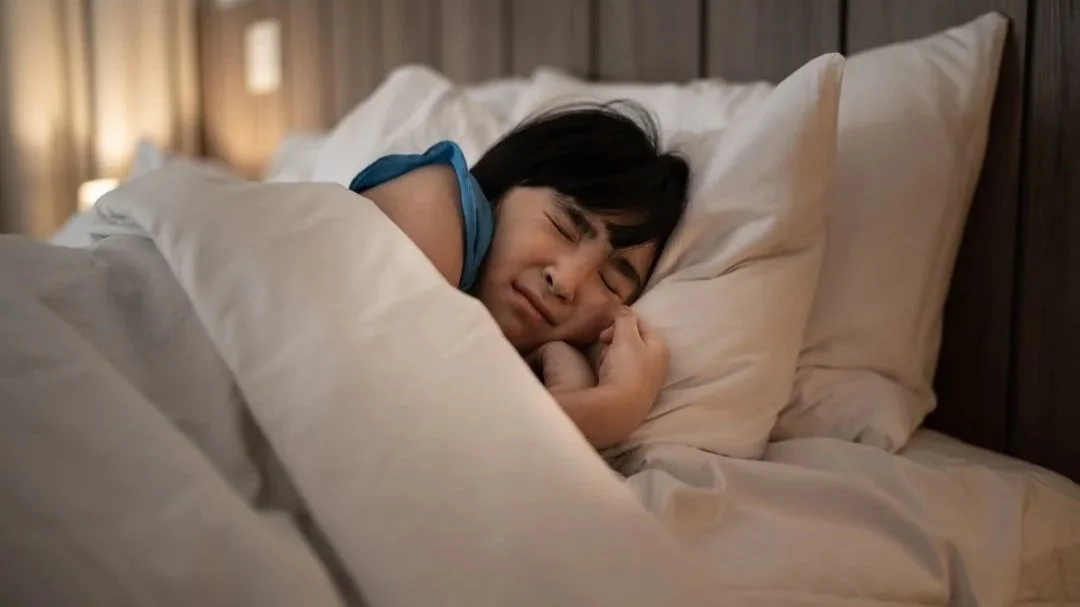
Some people don't struggle to fall asleep or stay asleep in the conventional sense. They sleep — but the sleep isn't restorative. It's filled with vivid, exhausting, or disturbing dreams that leave them feeling as though they've been active all night. Or the body is restless — tossing, turning, unable to find comfort — while the mind cycles through fragmentary images and half-formed thoughts. They wake feeling more tired than when they went to bed.
This presentation is frequently dismissed or minimized because technically sleep is occurring. In Traditional Chinese Medicine it is taken seriously as a distinct clinical pattern — one that is diagnostically specific and highly treatable.
For the full overview of how TCM approaches sleep, see Acupuncture for Sleep in Calgary. If stress and anxiety are significant drivers, see Acupuncture for Stress and Anxiety-Related Insomnia in Calgary.
What Dreams Mean in TCM
In TCM, dreaming is not inherently pathological — some dream activity is a normal expression of the mind processing the day's experiences. What becomes clinically significant is the quality, intensity, and consistency of dreams, and the degree to which they disturb rest.
The Shen — the spirit or consciousness housed in the Heart — should settle deeply into the Heart during sleep, anchored by adequate Blood and Yin. When it cannot settle fully, it wanders. In TCM, excessive or disturbing dream activity is understood as the Shen wandering rather than resting — a sign that the Heart lacks the resources to contain it, or that heat, stagnation, or Phlegm is disturbing its residence.
Different dream qualities point toward different patterns:
Vivid, emotionally intense dreams — often reflect Heart Blood deficiency or Liver heat rising to disturb the Shen.
Frightening dreams or nightmares — commonly associated with Gallbladder Qi deficiency, Heart and Kidney disharmony, or Phlegm heat disturbing the Heart.
Dreams of flying, falling, or themes of pursuit — frequently seen in patterns of Liver Qi stagnation or Kidney deficiency, where the Shen lacks its downward anchor.
Dreams that are exhausting rather than frightening — a continuous, busy dream life that leaves the person feeling they have been working all night — often reflects Heart and Spleen deficiency, where the mind cannot disengage from its waking mode of operation.
Erotic dreams — in TCM often associated with Heart and Kidney disharmony or Kidney Yin deficiency with empty heat.
These are clinical observations, not interpretations of dream content. The quality and emotional tone of dreams inform diagnosis alongside pulse, tongue, and the broader symptom picture.
The TCM Patterns Behind Dream-Disturbed Sleep
Heart Blood Deficiency — The most common pattern underlying excessive, unrefreshing dream activity. When the Heart lacks sufficient Blood to anchor the Shen, the Shen becomes restless during sleep — wandering rather than settling, producing a continuous, often emotionally busy dream life that leaves the person exhausted on waking. Accompanying signs include mild anxiety or palpitations, poor memory, pale complexion, fatigue, and a general sense of emotional vulnerability. Common in people who are chronically overextended and under-nourished.
Liver Heat Disturbing the Heart — When Liver Qi stagnates chronically, it generates heat that rises through the chest and disturbs the Heart and Shen during the night. Dreams in this pattern are vivid, emotionally intense, and often frustrating or confrontational — reflecting the unresolved tension that the Liver is processing. Waking from these dreams often carries irritability or a sense of residual agitation. Accompanying signs include tension in the neck and shoulders, hypochondriac discomfort, and mood that fluctuates with stress levels.
Gallbladder Qi Deficiency — The Gallbladder governs courage and the capacity to feel internally secure. When Gallbladder Qi is deficient, the person lacks a felt sense of safety — sleep is easily broken by sounds, dreams are frequently threatening or unsettling, and waking from nightmares leaves a residue of anxiety that is difficult to shake. This pattern often presents in people who describe themselves as having always been sensitive sleepers and who startle easily both in waking life and in sleep.
Phlegm Heat Disturbing the Heart — When digestive dysfunction generates Phlegm that combines with heat, the result is a particularly disturbed and agitated sleep: vivid, disturbing, or bizarre dreams, a heavy sensation in the chest, physical restlessness, and a mind that feels foggy and overactive simultaneously. The tongue in this pattern typically carries a thick, greasy coating. Dietary factors are almost always involved, and addressing them is essential to sustained improvement.
Heart and Kidney Disharmony — The Heart and Kidney must communicate freely for sleep to be sound — the Kidney's cooling, anchoring Water must rise to nourish the Heart, while the Heart's warmth descends to root in the Kidney. When this axis is disrupted, sleep becomes disturbed by heat from above and instability from below: restlessness, palpitations, night sweats, disturbing dreams, and a pervasive sense that the system is not coordinated. This pattern is common in people under sustained emotional or mental strain and during significant hormonal transitions.
Restless Sleep — When the Body Won't Settle
Physical restlessness during sleep — tossing, turning, an inability to find a comfortable position, limbs that feel agitated or uncomfortable — is a distinct presentation that often accompanies dream disturbance but can also occur independently.
In TCM, physical restlessness during sleep most commonly reflects one of two dynamics:
Heat in the Blood — the Blood carries heat that keeps the body agitated and unable to settle. This pattern is often accompanied by a sensation of warmth, night sweats, and a general feeling of internal heat that is worse at night.
Liver Wind — when Liver Yin or Blood is severely deficient, internal Wind can arise, producing restlessness, twitching, or a crawling sensation in the limbs during the night. This pattern overlaps with what Western medicine might describe as restless leg syndrome and is treated through nourishing Liver Blood and Yin while extinguishing Wind.
Physical restlessness that is specifically located in the legs — an uncomfortable urge to move the legs that intensifies at rest and disrupts sleep — is addressed in more detail in the context of restless limbs and sleep, which will be covered in the next post in this cluster.
How Acupuncture Treats Dream-Disturbed and Restless Sleep
Treatment is always guided by the pattern identified through diagnosis. For Heart Blood deficiency, treatment nourishes Blood and anchors the Shen — points that specifically calm the Heart and quiet the mind are central to every session. For Liver heat disturbing the Heart, treatment moves Liver Qi and clears the heat it generates. For Gallbladder Qi deficiency, treatment tonifies the Gallbladder and Heart systems and builds the internal sense of security that sound sleep requires. For Phlegm heat, treatment transforms Phlegm and clears heat — dietary guidance is essential alongside needling.
Dream-disturbed sleep often responds relatively well to acupuncture, particularly when the pattern is primarily one of heat or stagnation rather than deep deficiency. Most patients notice a meaningful reduction in dream intensity and an improvement in sleep quality within 4–6 sessions.
What to Expect from Treatment
Your first appointment is 90 minutes and begins with a thorough intake — the quality and content of your dreams, how long this pattern has been present, your stress, digestion, emotional life, and overall health picture. Dream quality is one piece of the diagnostic picture alongside pulse, tongue, and the full symptom presentation.
For patterns driven primarily by heat or stagnation, meaningful improvement is typically felt within 4–6 sessions. Patterns involving significant Blood or Yin deficiency require a longer course of 8–10 sessions as the underlying deficiency is gradually addressed.
To learn more about what a course of treatment involves, visit the Acupuncture for Sleep service page.
Acupuncture for Sleep in NW Calgary
Dr. Joseph Coccagna is a Doctor of Acupuncture (Dr. Ac.) registered with the College of Acupuncturists of Alberta, practicing at The Natural Health Collective, 1607 20 Ave NW, in Capitol Hill, NW Calgary — serving patients across Capitol Hill, Mount Pleasant, Briar Hill, Banff Trail, West Hillhurst, Hillhurst/Kensington, St. Andrews Heights, and surrounding NW Calgary communities.
If your sleep is technically present but leaves you exhausted, there is a root-cause approach worth exploring. Book a free 20-minute consultation and let's talk about what's driving it and what treatment looks like for your specific pattern.
FAQ: Dream-Disturbed and Restless Sleep
Is it normal to dream a lot?
Some dream activity is normal and reflects the mind's overnight processing of the day's experiences. It becomes clinically significant when dreams are consistently vivid, disturbing, or exhausting — when the person wakes feeling as though they have been active all night rather than rested. In TCM this is understood as the Shen failing to settle fully during sleep, which is a treatable pattern.
Can diet affect dream-disturbed sleep?
Significantly — particularly when Phlegm heat is part of the pattern. Late eating, alcohol, rich or greasy food, and excess sugar all burden the digestive system and can generate the heat and Phlegm that disturbs the Heart and Shen during the night. Dietary guidance is part of treatment where relevant.
What if my dreams are always about the same themes?
Recurring dream themes are diagnostically interesting in TCM but are interpreted alongside the broader clinical picture rather than in isolation. Dreams of being pursued, falling, or being unable to move often reflect Kidney deficiency or Liver stagnation. Dreams with a consistently threatening or frightening quality point toward Gallbladder Qi deficiency or Phlegm heat. The themes inform pattern identification but don't replace the full diagnostic process.
Can acupuncture help with nightmares specifically?
Yes. Nightmares in TCM most commonly reflect Gallbladder Qi deficiency, Phlegm heat disturbing the Heart, or Heart and Kidney disharmony — all of which are addressable through acupuncture. Most patients with frequent nightmares notice a meaningful reduction in both frequency and intensity within a full course of treatment.
Is acupuncture for sleep covered by insurance in Alberta?
If your extended health benefits include acupuncture, yes. Dr. Coccagna is registered with the College of Acupuncturists of Alberta, satisfying the requirements of most major insurers. Read the full guide to acupuncture insurance coverage in Alberta.
Dr. Joseph Coccagna is a Doctor of Acupuncture (Dr. Ac.) registered with the College of Acupuncturists of Alberta, practicing at The Natural Health Collective, 1607 20 Ave NW, Calgary, AB.