
Acupuncture for Anxiety in Calgary — How TCM Calms Your Nervous System Naturally
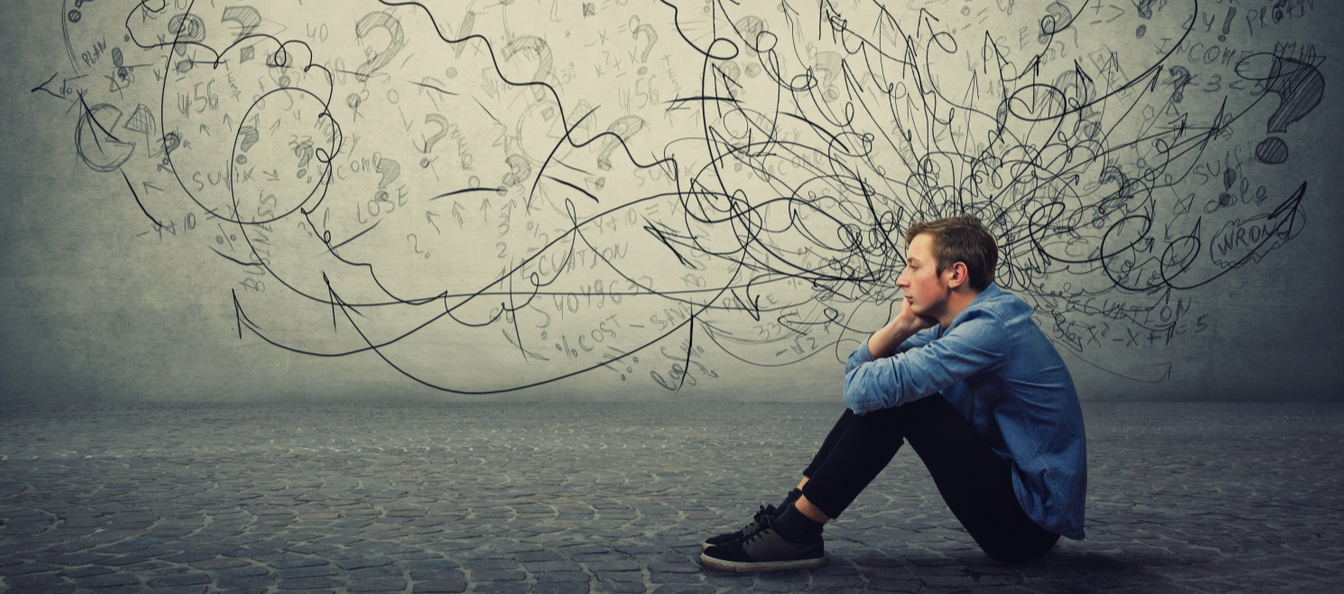
Anxiety isn't just in your head. It lives in your body — in the tight chest, the racing thoughts at 2am, the jaw you're clenching without realizing it, the stomach that's always slightly unsettled. It's a nervous system that has been running in overdrive for so long it's forgotten how to stop.
If you've tried therapy, supplements, breathing exercises, or medication and still don't feel like yourself, you're not failing. You may just be missing the body-level piece — and that's exactly where acupuncture comes in.
If stress or burnout are part of your picture alongside anxiety, see Acupuncture for Stress in Calgary → and Acupuncture for Burnout in Calgary →. For a deeper look at how TCM understands the nervous system, see TCM and the Nervous System →.
Why Anxiety Is a Nervous System Problem
Anxiety is fundamentally a dysregulation of the autonomic nervous system — specifically, a system that's stuck in sympathetic dominance (fight-or-flight) and can't reliably shift into parasympathetic mode (rest-and-digest).
When this happens chronically, the effects ripple through the entire body:
Persistent muscle tension, particularly in the neck, shoulders, and jaw
Shallow breathing and a feeling of tightness in the chest
Digestive disruption — nausea, bloating, loose stools, poor appetite
Sleep disruption — difficulty falling asleep, waking with a racing mind
Fatigue from a system that never fully recovers
Irritability, emotional reactivity, and difficulty concentrating
These aren't separate symptoms — they're expressions of one underlying state. A nervous system that won't turn off. Digestive symptoms in particular are extremely common alongside anxiety — if this is part of your picture, see Acupuncture for Digestive Health in Calgary →.
The TCM View of Anxiety
Traditional Chinese Medicine has been treating what we now call anxiety for thousands of years — under different names and through a different framework, but with a clinical sophistication that holds up well alongside modern neuroscience.
In TCM, anxiety involves two primary organ systems:
The Heart governs the Shen — the mind and spirit. When the Heart is well-nourished and settled, the mind is calm, clear, and emotionally steady. When the Heart is disturbed — by Blood deficiency, Heat, or chronic depletion — the Shen becomes restless. Racing thoughts, palpitations, difficulty sleeping, and a sense of being unable to settle are all expressions of an unsettled Heart.
The Liver governs the smooth flow of Qi throughout the body. When the Liver is constrained — by chronic stress, suppressed emotion, frustration, or overwork — Qi stagnates. The result is irritability, tension, emotional volatility, and a nervous system that's perpetually braced. Liver Qi stagnation is one of the most common patterns in anxious patients.
These two patterns often coexist and reinforce each other — a depleted Heart can't anchor the mind, and a constrained Liver keeps feeding the system with tension. Treatment addresses both.
The most common TCM patterns underlying anxiety seen in clinic:
Heart Blood Deficiency — Insufficient Blood to nourish and anchor the Heart Shen. The mind becomes restless, agitated, and prone to worry. Classic signs include difficulty falling asleep, waking frequently, palpitations, a tendency toward anxiety and overthinking, and a pale complexion. This pattern is extremely common in people who are chronically overworked, under-nourished, or who have been under sustained stress over a long period.
Liver Qi Stagnation — Chronically constrained Qi generating tension and emotional volatility. The anxious feeling in this pattern has an edgy, irritable quality — a sense of pressure that builds and can't release. Physical tension in the neck, shoulders, and chest is prominent. Stress and frustration are the primary triggers.
Heart and Kidney Yin Deficiency — A deeper deficiency pattern in which the cooling, nourishing Yin of the Heart and Kidney is depleted. This produces anxiety with a strong Heat quality — restlessness, agitation, a feeling of heat in the chest or palms, night sweats, and significant sleep disruption. Common in people who have been depleted over a long period, and in those approaching midlife transitions.
Liver Qi Stagnation transforming to Fire — When Liver Qi stagnation is prolonged and intense, it generates Heat that rises and agitates the Heart Shen. The anxiety in this pattern is more acute and reactive — sudden surges of anxiety, anger close to the surface, vivid or disturbing dreams, and a red face or eyes.
Heart and Spleen Deficiency — A pattern of depletion affecting both the Heart and the Spleen's capacity to produce Qi and Blood. Common in people whose anxiety is accompanied by significant fatigue, poor appetite, digestive irregularity, and a tendency to overthink or ruminate. The worry and rumination in this pattern has a cyclical, stuck quality rather than the edgy reactivity of Liver patterns.
What this means practically: your anxiety isn't a character flaw or a brain malfunction. It's a pattern — and patterns can be changed.
How Acupuncture Treats Anxiety
Acupuncture works on anxiety through several well-documented mechanisms:
Parasympathetic activation — Acupuncture reliably activates the parasympathetic nervous system, shifting the body out of fight-or-flight and into genuine rest. This is measurable: studies show acupuncture reduces cortisol and adrenaline while increasing GABA, serotonin, and endorphins — the neurochemical conditions for calm. Many patients feel this shift during their very first session.
HPA axis regulation — The hypothalamic-pituitary-adrenal axis governs the body's stress response. Chronic anxiety dysregulates this system, keeping cortisol elevated and the body in a state of chronic alert. Acupuncture has been shown to down-regulate HPA axis reactivity — reducing the intensity and frequency of the stress response over time.
Vagus nerve stimulation — Several key acupuncture points — particularly in the ear and along the neck — directly stimulate the vagus nerve, the primary pathway of the parasympathetic nervous system. Vagal tone is strongly correlated with emotional resilience and anxiety regulation.
Addressing downstream effects — Because acupuncture works systemically, treating anxiety also tends to improve sleep, digestion, and physical tension simultaneously — because these are all expressions of the same underlying nervous system state.
What to Expect from Treatment
Your first appointment is 90 minutes and begins with a thorough intake — your symptoms, how long you've been dealing with anxiety, what makes it better or worse, your sleep, digestion, physical tension, and overall health picture. Everything connects in TCM, and understanding the full pattern is what makes treatment precise.
Treatment involves fine acupuncture needles placed at specific points — typically on the hands, feet, lower legs, abdomen, and occasionally the scalp. Most patients are surprised by how little sensation they feel. Many describe a wave of relaxation within the first few minutes. Many fall asleep on the table.
Many patients notice a meaningful shift in anxiety levels within 3–5 sessions. Sleep often improves first, followed by a reduction in baseline tension and reactivity. Chronic or long-standing anxiety patterns take longer to fully resolve but typically begin to shift within the first few treatments.
Acupuncture works particularly well alongside therapy — it addresses the physiological component that talk-based approaches don't reach directly. A regulated nervous system makes everything else work better.
To learn more about what a course of treatment involves, visit the Acupuncture for Stress & Mental-Emotional Health service page →
Acupuncture for Anxiety in NW Calgary
Dr. Joseph Coccagna is a Doctor of Acupuncture (Dr. Ac.) registered with the College of Acupuncturists of Alberta, practicing at The Natural Health Collective, 1607 20 Ave NW, in Capitol Hill, NW Calgary — serving patients across Capitol Hill, Mount Pleasant, Briar Hill, Banff Trail, West Hillhurst, Hillhurst/Kensington, St. Andrews Heights, and surrounding NW Calgary communities.
Anxiety and nervous system dysregulation are among the most common presentations in clinic — and among the most consistently responsive to TCM treatment. If you've been managing anxiety with willpower alone, or feel like something is still missing from your current approach, there is a root-cause approach worth exploring.
FAQ: Acupuncture for Anxiety in Calgary
Can acupuncture help with generalized anxiety disorder (GAD)?
Yes. GAD — characterized by persistent, difficult-to-control worry across multiple areas of life — responds well to acupuncture. The nervous system regulation and HPA axis modulation that acupuncture provides directly addresses the physiological underpinning of GAD. Most patients see meaningful improvement within a course of treatment.
Can acupuncture help with panic attacks?
Yes. Panic attacks are an acute expression of a chronically dysregulated nervous system. Acupuncture reduces the baseline activation that makes panic attacks more likely and can reduce both their frequency and intensity over time.
Can acupuncture help with social anxiety?
Yes — particularly when social anxiety has a strong physiological component such as racing heart, flushing, or physical tension. Reducing the nervous system reactivity that drives these responses makes social situations significantly more manageable.
Does acupuncture work alongside medication for anxiety?
Yes. Acupuncture is safe alongside anti-anxiety medications and SSRIs. Many patients use it to enhance the effects of medication, reduce side effects, or support a gradual taper under their prescribing physician's guidance. Any medication changes should always be discussed with your doctor.
Does acupuncture work alongside therapy?
Absolutely — and this is one of the most effective combinations for anxiety treatment. Therapy addresses the cognitive and behavioral patterns; acupuncture addresses the physiological state. Together they work on both levels simultaneously.
How many sessions will I need?
It depends on how long you've been dealing with anxiety and how entrenched the pattern is. Recent-onset anxiety often responds within 4–6 sessions. Long-standing, chronic anxiety typically takes longer — but most patients notice meaningful improvement well before the full pattern has resolved.
Is stress or burnout part of your picture alongside anxiety?
These three frequently overlap and share significant TCM root patterns. See Acupuncture for Stress in Calgary → and Acupuncture for Burnout in Calgary → for the full picture.
Is acupuncture for anxiety covered by insurance in Alberta?
If your extended health benefits include acupuncture coverage, yes. Dr. Coccagna is registered with the College of Acupuncturists of Alberta, meeting the practitioner requirements of most major insurers. Read the full guide to acupuncture insurance coverage in Alberta →
Dr. Joseph Coccagna is a Doctor of Acupuncture (Dr. Ac.) registered with the College of Acupuncturists of Alberta, practicing at The Natural Health Collective, 1607 20 Ave NW, Calgary, AB.