
Acupuncture for Male Infertility and Sperm Health in Calgary
Male factor infertility is involved in roughly half of all fertility challenges — a fact that is still underappreciated in the broader conversation about conception. When a couple struggles to conceive, the focus frequently lands on the woman. The man's contribution to fertility — sperm count, motility, morphology, and DNA integrity — is often assessed late in the process, if at all.
Traditional Chinese Medicine has a long and specific framework for male reproductive health. Sperm quality in TCM is directly linked to the strength of Kidney Jing and Yang, the free flow of Qi and Blood through the reproductive system, and the absence of obstructing factors like Damp Heat or Blood stasis. These are all identifiable, treatable patterns — and addressing them produces measurable improvements in sperm parameters alongside broader improvements in vitality and reproductive health.
For the broader picture of men's vitality and Kidney health, see Acupuncture for Men's Hormonal Health & Fertility in Calgary and The Man's Guide to Aging with Vitality.
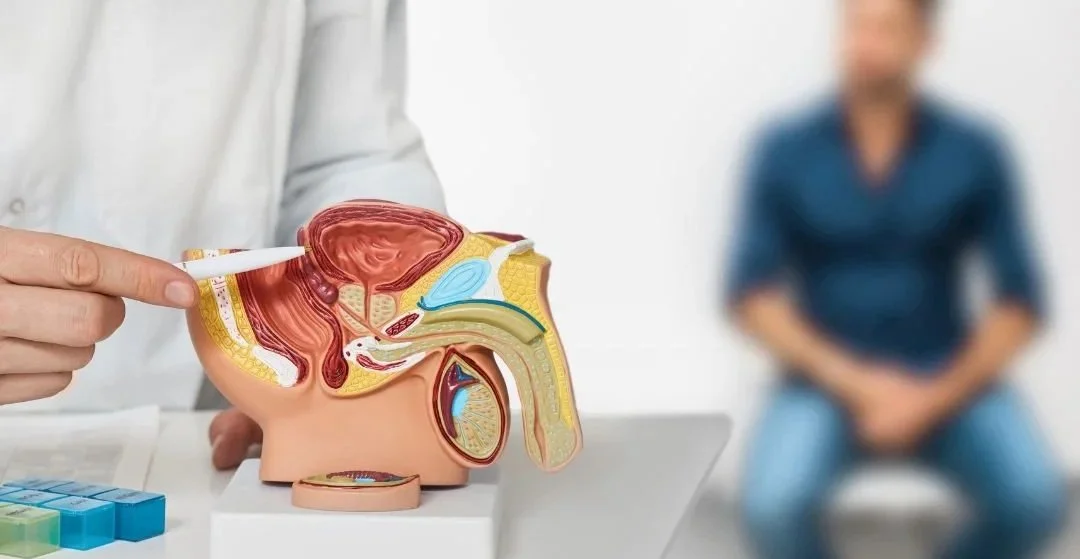
Why Male Fertility Matters More Than It Gets Credit For
Sperm quality has declined significantly in the general male population over recent decades — a trend documented across multiple large studies and attributed to a combination of environmental, dietary, and lifestyle factors. Low sperm count, poor motility, abnormal morphology, and elevated sperm DNA fragmentation are now common findings in men presenting for fertility assessment.
These findings matter beyond conception itself. Sperm quality is increasingly understood as a marker of overall male health — reflecting the same systemic patterns that produce fatigue, low vitality, reduced sexual function, and poor recovery. A man with poor sperm parameters is rarely just experiencing a reproductive problem in isolation. The underlying pattern is systemic, and treating it improves both fertility and overall health simultaneously.
The TCM View of Male Fertility
In TCM, sperm is understood as a direct expression of Kidney Jing — the foundational essence that governs reproductive capacity, growth, and vitality. The quality, quantity, and motility of sperm all reflect the strength and health of Kidney Jing. When Jing is abundant and the Kidney system is functioning well, sperm production is robust. When Jing is depleted or the system is obstructed, sperm quality suffers.
Sperm motility — the capacity of sperm to move effectively — is specifically governed by Yang Qi. Without adequate Yang to drive movement, even sufficient sperm count produces poor motility. Morphology reflects the quality of the Jing itself — the precision of the reproductive blueprint. Count reflects the overall volume of Kidney resources available for reproductive function.
The patterns most commonly underlying male infertility in clinic are:
Kidney Yang Deficiency — The most common pattern in men presenting with low sperm count and poor motility. Yang is the warming, activating force that drives sperm production and motility. When Kidney Yang is depleted — through chronic overwork, inadequate sleep, excess sexual activity without recovery, or age — sperm production slows and motility declines. Accompanying signs include fatigue with a cold quality, low back weakness, cold extremities, reduced libido, and low motivation. Moxibustion is central to treatment of this pattern, as warmth directly supports Kidney Yang.
Kidney Yin and Jing Deficiency — When Kidney Yin and Jing are insufficient, the reproductive blueprint loses precision — producing poor sperm morphology and elevated DNA fragmentation alongside reduced count. This pattern tends to present in men who have been chronically depleted over a long period, with accompanying signs of heat from deficiency: night sweats, poor sleep, dry mouth, low back aching, and tinnitus. Treatment nourishes Yin and Jing — a gradual process that requires a sustained course as these substances rebuild slowly.
Damp Heat in the Lower Jiao — Dampness and heat accumulating in the lower abdomen obstruct the free flow of Qi and Blood through the reproductive system and directly damage sperm quality. This pattern is associated with elevated sperm DNA fragmentation, poor morphology, and in some cases anti-sperm antibodies. It is more common in men with a history of genital tract infection, significant alcohol use, excess consumption of rich or greasy food, or sedentary lifestyle. Treatment clears heat and resolves Dampness from the lower Jiao alongside dietary guidance — without addressing the dietary factors driving Damp Heat accumulation, treatment produces only partial and temporary results.
Liver Qi Stagnation with Blood Stasis — Chronic stress and emotional constraint cause Liver Qi to stagnate, which over time can lead to Blood stasis in the pelvic region — impairing circulation to the testes and reducing sperm production and quality. This pattern is common in men under sustained occupational stress, in those with varicocele, and in men who spend significant time sitting without adequate movement. Sperm parameters in this pattern often show elevated DNA fragmentation and poor motility alongside normal or near-normal count.
Qi and Blood Deficiency — When both Qi and Blood are insufficient, the reproductive system lacks the resources to sustain robust sperm production. This pattern is less common as a primary driver but frequently compounds other patterns — particularly Kidney deficiency — in men who are chronically under-nourished or depleted.
The Timeline of Sperm Development
One of the most important clinical considerations in male fertility treatment is the timeline of sperm development. Sperm take approximately 72 to 90 days to develop from stem cells to mature spermatozoa. This means that the sperm present in a semen analysis today reflect the health of the man's system three months ago.
It also means that meaningful improvement in sperm parameters from acupuncture treatment takes a minimum of three months to appear in testing — and that a sustained course of treatment over that period is what produces measurable change. This timeline is important for couples to understand when planning a fertility treatment approach, and it is one of the strongest arguments for beginning male fertility support as early as possible rather than waiting until other interventions have been exhausted.
How Acupuncture Treats Male Infertility
Treatment is guided by the pattern identified through diagnosis. For Kidney Yang deficiency, treatment tonifies Kidney Yang and warms the reproductive system — moxibustion at specific points along the Kidney, Governor Vessel, and Conception Vessel channels is central to every session. For Kidney Yin and Jing deficiency, treatment nourishes both simultaneously through points that directly tonify the Kidney system and support the production of reproductive essence. For Damp Heat, treatment clears heat and resolves Dampness from the lower Jiao alongside dietary guidance. For Liver Qi stagnation with Blood stasis, treatment moves constraint and promotes pelvic circulation.
Herbal medicine can significantly augment acupuncture treatment for male infertility — several classical formulas directly support sperm production, motility, and morphology through their effects on Kidney Jing, Yang, and Blood. For a look at individual herbs with specific relevance to men's reproductive health, see 4 Key Herbs to Boost and Balance Men's Health.
Lifestyle guidance is an essential part of treatment for all male fertility patterns — heat exposure to the testes, alcohol, processed food, excess screen time, inadequate sleep, and chronic stress all directly affect sperm quality and must be addressed alongside clinical treatment for meaningful improvement.
What to Expect from Treatment
Your first appointment is 90 minutes and begins with a thorough intake — your reproductive history, any semen analysis results you have, your overall health picture including sleep, digestion, stress, sexual health, and lifestyle factors. Bringing existing semen analysis results to your first appointment is helpful — the specific parameters affected point toward the underlying TCM pattern and inform the treatment approach.
A minimum course of three months of consistent treatment is recommended for male fertility — aligned with the sperm development cycle. Most men undergoing a full course notice broader improvements in energy, sleep, libido, and vitality alongside the specific improvements in sperm parameters, because the treatment addresses the systemic pattern rather than the isolated symptom.
To learn more about what a course of treatment involves, visit the Acupuncture for Men's Health service page.
Acupuncture for Men's Health in NW Calgary
Dr. Joseph Coccagna is a Doctor of Acupuncture (Dr. Ac.) registered with the College of Acupuncturists of Alberta, practicing at The Natural Health Collective, 1607 20 Ave NW, in Capitol Hill, NW Calgary — serving patients across Capitol Hill, Mount Pleasant, Briar Hill, Banff Trail, West Hillhurst, Hillhurst/Kensington, St. Andrews Heights, and surrounding NW Calgary communities.
If sperm health or male fertility are part of your path to conception, there is a root-cause approach worth exploring. Book a free 20-minute consultation and let's talk about what's driving it and what treatment looks like for your specific pattern.
FAQ: Acupuncture for Male Infertility and Sperm Health
How long does it take to see improvement in sperm parameters from acupuncture?
A minimum of three months — aligned with the 72 to 90 day sperm development cycle. The sperm in a semen analysis today reflect the health of your system three months ago, which means meaningful improvement in testing requires a sustained course of treatment over that period. Most men undergoing a full course notice improvements in energy, libido, and overall vitality before the three-month mark, with sperm parameter improvements appearing in follow-up testing after a complete cycle of treatment.
Can acupuncture help if my semen analysis is normal but we're still not conceiving?
Yes — standard semen analysis measures count, motility, and morphology but does not assess sperm DNA fragmentation, which can be normal on standard testing while still significantly impairing fertility. TCM pattern diagnosis and treatment addresses the systemic health of the reproductive system rather than individual parameters, which is why it can be beneficial even when standard testing appears normal.
Should my partner also receive acupuncture during a fertility treatment cycle?
Acupuncture for women's fertility — supporting cycle regularity, uterine lining quality, and the hormonal patterns underlying conception and implantation — is a well-established area of TCM practice. Treating both partners simultaneously addresses both sides of the fertility equation and is generally recommended where resources allow. See Acupuncture for Women's Health in Calgary for the women's fertility picture.
Can acupuncture help alongside IVF or IUI?
Yes — acupuncture is commonly used alongside assisted reproductive technology and does not interfere with these procedures. Improving sperm DNA integrity and overall sperm quality through acupuncture before an IVF or IUI cycle directly supports the quality of the embryos produced and the likelihood of successful implantation.
Is acupuncture for male fertility covered by insurance in Alberta?
If your extended health benefits include acupuncture, yes. Dr. Coccagna is registered with the College of Acupuncturists of Alberta, satisfying the requirements of most major insurers. Read the full guide to acupuncture insurance coverage in Alberta.
Dr. Joseph Coccagna is a Doctor of Acupuncture (Dr. Ac.) registered with the College of Acupuncturists of Alberta, practicing at The Natural Health Collective, 1607 20 Ave NW, Calgary, AB.