
Is Acupuncture Safe for Children? A Calgary Parent's Guide
It's the first question almost every parent asks — and it's the right one.
Acupuncture involves needles. Your child is someone you'd do anything to protect. So before you even consider booking, you want to know: is this actually safe?
The short answer is yes. Pediatric acupuncture, when performed by a qualified practitioner, is safe for children of all ages — including newborns. But let's go deeper than a short answer, because you deserve to understand exactly why, and what it actually looks like in practice.
For the full overview of what pediatric acupuncture treats and what to expect at your child's first appointment, see Acupuncture for Children in Calgary. For condition-specific information, see Acupuncture for Child Anxiety in Calgary, Acupuncture for Children's Sleep Problems in Calgary, and Acupuncture for Children's Immune Support in Calgary.
What Makes Pediatric Acupuncture Safe?
Acupuncture needles used for children are significantly finer than those used for adults — about the width of a human hair. They are single-use, sterile, and disposable. There is no risk of infection when used by a trained practitioner following proper protocols.
Beyond the needles themselves, pediatric acupuncture is adapted in every way to the child's age, size, and temperament. Needles are retained for shorter periods — sometimes just seconds for very young children, compared to 20–30 minutes for adults. Fewer needles are used — children's systems are highly responsive and require much less stimulation to achieve a therapeutic effect. Needle-free techniques are available — for infants, toddlers, and needle-sensitive children, treatment can be performed entirely without needles using shonishin tools, acupressure, and Tui Na massage.
The result is a treatment that is gentle, minimally invasive, and well-tolerated — even by children who were initially anxious about it.
Are There Any Risks?
Serious adverse events from pediatric acupuncture are extremely rare when treatment is performed by a qualified, registered practitioner. The most common side effects are minor and temporary — slight redness or bruising at a needle site, temporary fatigue or drowsiness after treatment which is actually a sign the body is responding, and occasionally a brief emotional release during or after treatment particularly in children carrying anxiety or stress.
These are not causes for concern. They are normal responses to treatment and typically resolve within a day. What you won't encounter with properly performed pediatric acupuncture: infection, nerve damage, or lasting discomfort.
Do Children Actually Tolerate It?
Better than most parents expect.
Children are often more adaptable than adults when it comes to acupuncture. Without the preconceived anxiety many adults carry, they tend to approach treatment with curiosity rather than dread — especially when the practitioner takes time to explain what's happening and builds trust before beginning.
Very young children and infants are treated primarily with shonishin tools and acupressure — no needles are inserted. These children often settle, relax, and sometimes fall asleep during treatment. Toddlers and preschool-age children receive a combination of needle-free and minimal needle techniques, with sessions kept short and calm. School-age children most tolerate fine needles well and are often surprised by how little sensation they feel — many report feeling relaxed or sleepy afterward. Teenagers are treated similarly to adults, with treatment adapted to their specific concerns and comfort level.
At What Age Can Children Start Acupuncture?
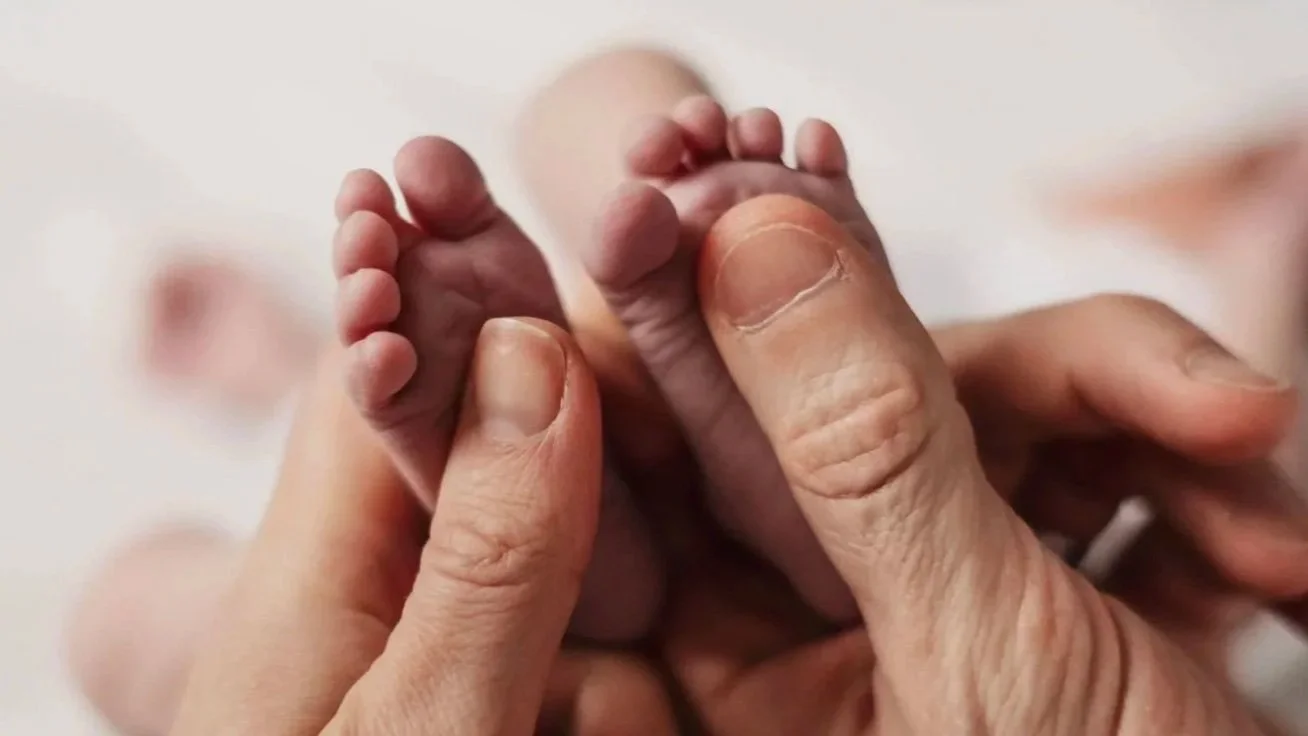
There is no minimum age. Newborns can be treated safely using shonishin and acupressure techniques. In Traditional Chinese Medicine, early intervention is often the most effective — children's systems are responsive and conditions that might become chronic in adults often resolve quickly when addressed early in childhood.
Common reasons parents bring infants and very young children for treatment include colic, digestive discomfort, sleep disruption, and recurrent respiratory infections. See Baby Colic & Infant Digestion Problems for more on infant care specifically.
What Should I Look for in a Pediatric Acupuncturist?
Not all acupuncturists have training or experience in pediatric treatment. When choosing a practitioner for your child, look for registration with a recognized regulatory college — in Alberta this means the College of Acupuncturists of Alberta. Look for specific training or experience in pediatric acupuncture including shonishin and Tui Na techniques for younger patients. A calm, child-friendly treatment environment matters — particularly for anxious or sensitive children. And look for a practitioner who takes time — rushing a child through treatment is counterproductive and your child should feel safe and unhurried.
What Does a Pediatric Acupuncture Session Look Like?
Before treatment, the first appointment is 90 minutes and begins with a thorough intake — your child's health history, current concerns, diet, sleep, temperament, and digestion. Parents are present and involved throughout. Nothing happens without your understanding and consent.
During treatment, everything is adapted to your child's age and comfort. For young children this may mean no needles at all — just gentle tools and touch. For older children, fine needles are placed at specific points, typically on the hands, feet, lower legs, and abdomen. Most children feel little to no sensation and many relax deeply or fall asleep.
After treatment, your child may be a little sleepy or quieter than usual for the rest of the day. This is normal and a good sign. Some children show improvement in their presenting concern within 24–48 hours of their first treatment.
For a deeper look at how parental stress and the emotional environment shape children's health, see The Hidden Science: How Your Stress Literally Shapes Your Child's Emotions.
Pediatric Acupuncture in NW Calgary
Dr. Joseph Coccagna is a Doctor of Acupuncture (Dr. Ac.) registered with the College of Acupuncturists of Alberta, practicing at The Natural Health Collective, 1607 20 Ave NW, in Capitol Hill, NW Calgary — serving families across Capitol Hill, Mount Pleasant, Briar Hill, West Hillhurst, Banff Trail, Collingwood, Rosemont, Hillhurst/Kensington, St. Andrews Heights, and surrounding NW Calgary communities.
Pediatric care is a core part of a family practice — and one of the areas where Traditional Chinese Medicine has the most to offer that conventional medicine often can't provide. Book a free 20-minute consultation and let's talk through what your child is experiencing and whether acupuncture is the right fit.
FAQ: Is Acupuncture Safe for Children?
Will my child cry?
Some children do, particularly very young ones who are sensitive to new experiences. This is not necessarily a sign that treatment is painful — many children cry during a haircut too. A good pediatric practitioner knows how to read a child's response and adjust accordingly. If your child is distressed, treatment stops.
Do I need to tell my child's doctor?
You don't need permission, but it's always a good idea to keep your child's healthcare team informed. Dr. Coccagna is happy to work collaboratively alongside your child's existing care providers.
How many sessions will my child need?
Children tend to respond faster than adults. Acute conditions often improve within 2–4 sessions. Chronic concerns may take longer but typically show meaningful progress within the first few treatments. An honest timeline will be discussed at your first appointment.
Is pediatric acupuncture covered by insurance in Alberta?
If your extended health benefits cover acupuncture, coverage typically extends to all family members including children. Read the full guide to acupuncture insurance coverage in Alberta.
Dr. Joseph Coccagna is a Doctor of Acupuncture (Dr. Ac.) registered with the College of Acupuncturists of Alberta, practicing at The Natural Health Collective, 1607 20 Ave NW, Calgary, AB.