
Understanding Blood Deficiency: Why "Nourishing Blood" Matters More Than You Think
In Traditional Chinese Medicine, Blood is more than the red fluid circulating through your vessels. It's the substance that nourishes every tissue in the body, anchors the mind at night, and keeps the Liver functioning smoothly. When Blood runs low, the effects show up everywhere: in your sleep, your cycle, your hair, your mood, and your energy.
This is one of the most common patterns I see in clinic, and one of the most under-recognized. Many people living with Blood deficiency have been told their labs are "normal," yet they still feel depleted, foggy, or worn down in a way they can't explain.
What Blood Actually Does
In TCM, Blood is considered a Yin substance: dense, nourishing, and grounding. It physically nourishes the body's tissues, including the skin, hair, nails, muscles, tendons, and eyes, and it anchors the mind and emotions, allowing for calm, restful sleep. Blood is also what regulates menstruation (full menstrual cycle guide), which is why period irregularities are such a common sign of deficiency. The Liver is the organ most responsible for storing and regulating Blood, and nourishing specific tissues, which is why Liver Blood deficiency shows up with such a distinct set of symptoms.
But Blood itself is produced by the Spleen from the food you eat (more on digestion and TCM), which means Spleen support is often part of the treatment plan from the start, not just an afterthought once Blood levels are addressed.
Signs of Blood Deficiency
Cold hands and feet
Dizziness or lightheadedness, especially on standing
Dry hair, skin, or nails
Fatigue and low energy that doesn't improve with rest
Restlessness or a low, flat mood
Numbness or tingling in the extremities
Trouble falling or staying asleep
Headaches or migraines around the menstrual cycle (menstrual headaches guide)
Scanty, irregular, or painful periods (painful periods guide)
Signs of Liver Blood Deficiency Specifically
Because the Liver stores Blood and opens to the eyes, hair, and tendons, Liver Blood deficiency has its own signature symptoms layered on top of the general picture above:
Blurred vision, floaters in the eyes, poor night vision
Dull, pale complexion
Dizziness
Muscle weakness or cramps, popping or cracking joints
Numbness and tingling in the limbs
Hair thinning or hair loss, dry hair and skin
Weak or brittle nails
Scanty or absent periods
Insomnia, particularly dream-disturbed sleep or waking frequently through the night rather than trouble falling asleep, since the pattern is one of the Hun failing to root in Blood at night rather than an agitated mind at bedtime (more on dream-disturbed and restless sleep)
This pattern shows up more often in women, since menstruation is itself a regular drain on Blood. It's also frequently rooted in a weak Spleen, since the Spleen is what produces Blood in the first place, which is why treatment often needs to address digestion alongside the Liver.
Tongue and Pulse Signs
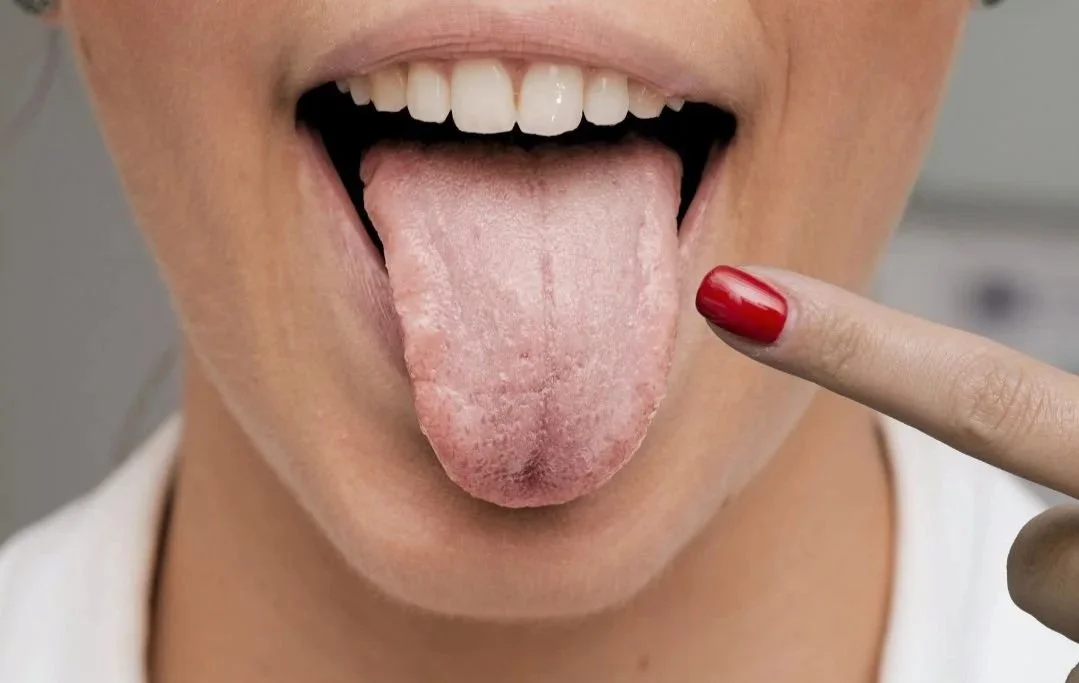
Tongue: Pale body, thin, sometimes slightly dry. In Liver Blood deficiency specifically, the sides of the tongue may appear pale.
Pulse: Fine (thin) and weak, sometimes choppy.
A pale tongue reflects Blood not reaching the surface to nourish it; a fine, weak pulse reflects the same lack of substance and volume in the vessels themselves.
Foods That Nourish Blood
Food is one of the most direct ways to rebuild Blood, and TCM has a long tradition of specific Blood-nourishing ingredients (more on food as medicine in TCM):
Black sesame seeds: a classic Kidney and Liver Blood tonic
Blackbeans: nourishing and grounding, especially for the Kidneys
Red dates (jujube): gently sweet, tonifies Blood and calms the mind
Goji berries: nourish Liver Blood and support the eyes specifically (more on goji berries)
Mulberries: Blood-nourishing with a mild cooling quality
Beets: deeply nourishing and Blood-building, their rich red color reflecting their traditional use for this purpose
BlackStrap molasses: mineral-dense and iron-rich, a concentrated Blood tonic in its own right
Bone broth: rich, deeply nourishing, builds both Blood and Essence (more on bone broth)
Oysters, sardines & wild salmon: mineral-dense and traditionally used for Blood and Kidney support; salmon in particular is considered warming and especially good at nourishing Yin alongside Blood (more on the TCM energetics of fish and seafood)
Red meat: warming and Blood-building in moderate amounts
Organ meats(especially liver): one of the most concentrated Blood-tonics available, following the classical "like nourishes like" principle. If the idea of organ meat doesn't appeal, try in supplement form. Otherwise, red meat and eggs still contribute meaningfully. (more on organ meats)
Eggs: especially the yolk, considered nourishing to Blood and calming to the mind
Sweetpotato: supports the Spleen, which is what transforms food into Blood in the first place
Walnuts: nourish Kidney and support Liver Blood
A note on preparation & digestive energy: Blood is made by the Spleen from the food you eat, and a well-functioning Spleen does better with warm, cooked meals than raw or cold ones. If digestion is weak, no amount of "Blood tonic" foods will build Blood efficiently, so favor slow-cooked soups, stews, and congee over salads and smoothies, and address digestion alongside diet if it's a factor.
A note on liver specifically: while highly nourishing, liver is very high in vitamin A. Pregnant or breastfeeding individuals should moderate intake rather than eating it liberally, as excess vitamin A can be a concern during these times.
Lifestyle Factors That Support Blood
Sleep: Prioritize consistent, adequate sleep, particularly before midnight, when Blood is replenished
Cold food and drink: Avoid excess, since it burdens digestion and slows Blood production
Stress: Manage it well, since a stressed Liver struggles to store and regulate Blood
Movement: Keep it moderate and regular; overexertion drains reserves rather than building them
Alcohol: Limit it, since it taxes the Liver directly
Vegans and vegetarians: Animal products are especially efficient at building Blood, but plant-based options like dates, goji berries, black beans, and leafy greens can still help with more deliberate emphasis
How Acupuncture and Herbal Medicine Help
Acupuncture supports Blood by improving circulation and addressing the underlying organ systems, typically the Spleen (which produces Blood) and the Liver (which stores and regulates it). Herbal formulas can be used alongside treatment to directly tonify Blood, often built around classical Blood-nourishing herbs.
If you're dealing with several of the symptoms above, it's worth having a conversation about whether Blood deficiency is part of the picture, and what a treatment plan built around rebuilding it might look like for you.
Dr. Joseph Coccagna is a Doctor of Acupuncture (Dr. Ac.) registered with the College of Acupuncturists of Alberta, practicing at The Natural Health Collective, 1607 20 Ave NW, Calgary, AB.