
Bedwetting is one of the most common childhood concerns, and one of the least talked about. Many families quietly manage wet sheets, pull-ups, and disrupted nights for years, hoping their child will grow out of it. Many children do. But when bedwetting continues past the age most children are dry, or starts again after a dry stretch, it can affect a child’s confidence, sleepovers, camps, and the whole family’s sleep.
Chinese medicine looks at bedwetting as a sign that the systems responsible for holding and controlling the bladder at night need support. Identifying which system is involved allows treatment to address the cause, rather than simply waiting it out.
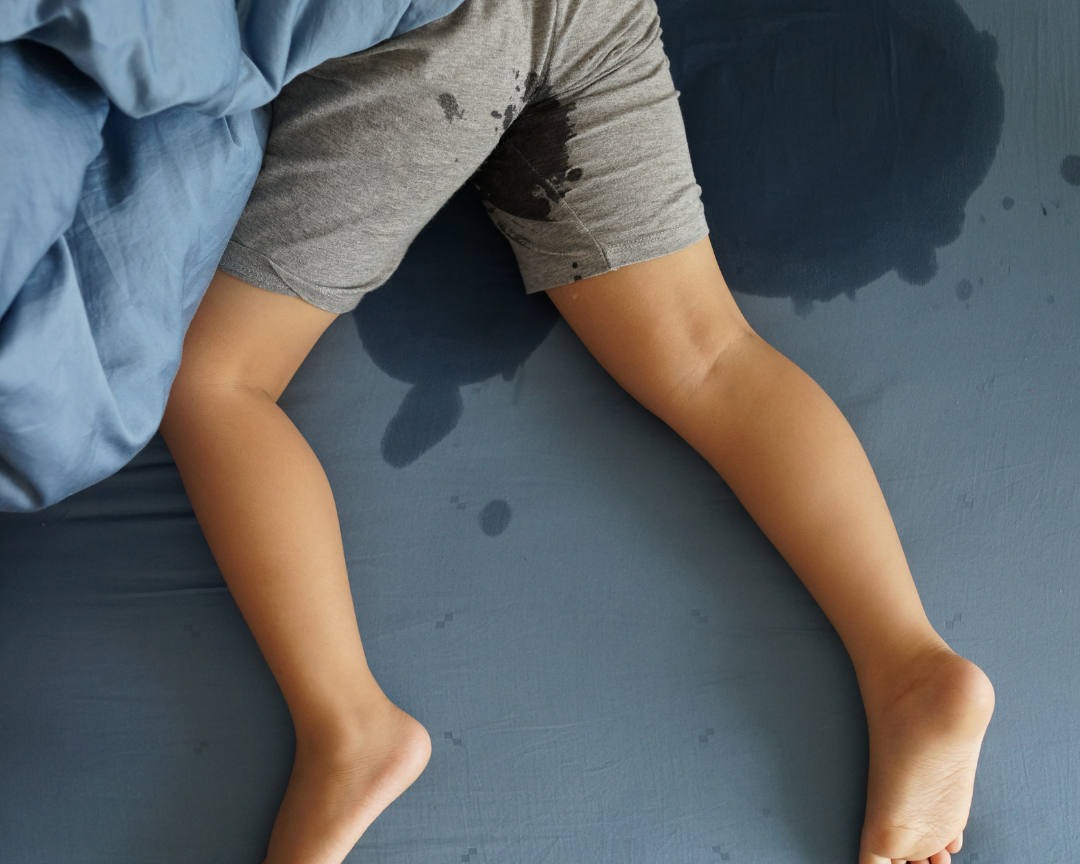
When Is Bedwetting a Concern?
Most children are dry at night by around age five, but there’s a wide range of normal, and bedwetting often runs in families. It’s generally worth addressing when:
Your child is five or older and still regularly wetting at night
Your child was dry for six months or more and has started wetting again
Bedwetting is affecting your child’s confidence or social life
It comes with daytime accidents, constipation, or frequent urination
It’s important to check with your doctor first, especially if bedwetting starts suddenly after a dry period or comes with pain when urinating, daytime wetting, increased thirst, or constipation. These can point to a medical cause that needs attention. Chinese medicine works well alongside that care.
Bedwetting is never a child’s fault. It’s not laziness or a behaviour problem, and children can’t control it through willpower. Shame tends to make it worse, so reassurance and patience matter.
How Chinese Medicine Understands Bedwetting
In Chinese medicine, the bladder’s ability to hold urine through the night depends mainly on the Kidney, supported by the Spleen and Lung. Emotional factors involving the Heart and Liver can also play a role. The signs around a child’s bedwetting point to which pattern is involved.
When Bedwetting Comes From the Kidney
The Kidney governs the lower body, controls the opening and closing of the bladder, and provides the warmth that holds urine. In young children, the Kidney is still maturing, which is why bedwetting is so common in early childhood. When Kidney energy is weak or lacks warmth, the bladder can’t hold through the night.
Signs to watch for:
Wetting large amounts of pale urine
Deep sleep that’s hard to wake from
Feeling cold easily, with cold hands and feet
Frequent urination during the day
Fearfulness or timidity
Low stamina
A family history of bedwetting
Children are born with a strong inner fire that supports growth and development. There’s more on how modern life can weaken it in protecting a child’s fire.
When Bedwetting Comes From the Spleen and Lung
The Spleen and Lung produce the energy that holds things in place in the body. When they’re under-supported, that holding energy is weak, and the bladder lets go more easily.
Signs to watch for:
Tiredness and low energy
Poor appetite or picky eating
Loose stools
Catching colds often
A pale complexion
Wetting that’s worse when run down or after being sick
When Bedwetting Comes From the Liver
When Liver energy becomes stuck and builds heat, it can disturb the bladder from above. These children are often more energetic and intense, and their bedwetting looks different from the deficient patterns.
Signs to watch for:
Small amounts of dark, strong-smelling urine
Restless sleep with lots of tossing and turning
Vivid dreams or sleep talking
Irritability or a quick temper
Red cheeks or a flushed face
When Bedwetting Comes From the Heart
The Heart and Kidney work together to keep sleep settled and the body contained. Stress, anxiety, or a big life change can disrupt that relationship, which is why bedwetting sometimes starts again after a move, a new sibling, a school change, or a stressful event.
Signs to watch for:
Bedwetting that began or returned after a stressful event
Worry or anxiety
Trouble falling asleep, or light, easily disturbed sleep
Waking from dreams or nightmares
Sensitivity and tearfulness
If anxiety is a big part of the picture, see acupuncture for child anxiety in Calgary. If big feelings and meltdowns are also present, see acupuncture for emotional dysregulation in children. For more on children’s sleep, see acupuncture for children’s sleep problems in Calgary.
Most children show signs from more than one pattern, which is why an individual assessment matters.
Food and Daily Habits That Help
What and when a child eats and drinks makes a real difference.
Keep fluids earlier in the day. Encourage plenty of water through the morning and afternoon, and ease off in the two hours before bed.
Avoid cold and iced drinks, especially in the evening. Cold weakens the warmth the Kidney needs to hold urine.
Cut out caffeine. Chocolate, pop, and iced tea all stimulate the bladder.
Favour warm, cooked meals. Soups, stews, congee, and roasted root vegetables support the Spleen and Kidney.
Include Kidney-supporting foods. Walnuts, black sesame, black beans, eggs, and bone broth are traditionally used to strengthen the Kidney.
Keep the lower back and belly warm. Warm pyjamas and covered feet help, especially in children with the cold Kidney pattern.
Have your child use the toilet right before bed. Make it part of the bedtime routine.
Treat constipation. A full bowel presses on the bladder, and constipation is a common, often overlooked contributor to bedwetting.
What Paediatric Treatment Looks Like
Paediatric acupuncture is about much more than needles. It’s part of Traditional Chinese Medicine, a complete system with several pillars that all work toward the same goal: addressing the underlying pattern behind your child’s symptoms. Treatment is chosen and adapted to your child’s age, constitution, and comfort, and many children receive little or no needling at all.
Moxibustion. Moxa, a warming herb, is held near specific points to bring gentle warmth into the body. It’s never hot enough to burn. For bedwetting, moxibustion is especially valuable because it warms and strengthens the Kidney, which is what so many of these children need.
Paediatric tui na. Tui na isn’t a relaxing massage. It’s a therapeutic hands-on method that works directly with the channels and specific points to move and regulate energy. For young children, much of this work is done on the hands, where specific points and channels can create real energetic shifts. It’s gentle, but it’s effective and powerful. Parents can also learn simple techniques to continue at home between visits.
Shonishin. A Japanese paediatric technique developed for children, using small, rounded tools to stroke, tap, and press along the channels without piercing the skin. Children usually find it comfortable, even fun, and it’s especially well suited to younger children.
Acupuncture. When needles are used, I use only one or two points, and depending on the child’s age, I may not use them at all. For younger children, needles aren’t retained. They go in and come straight out. Many children are surprised by how little they feel.
Food therapy & lifestyle guidance. This is one of the most important parts of treatment. In Chinese medicine, food is used to treat the underlying pattern, just like every other modality. A child with a cold, weak Kidney needs different foods than a child with Liver heat. Diet changes, along with guidance on routines and evening habits, carry the work of each treatment into daily life at home.
Ear seeds. Tiny seeds held on points of the ear with small adhesive patches. They’re painless and can stay on between visits for ongoing support.
Visits are kept short, and your child is never pushed into anything they’re not comfortable with. If you’re wondering about safety, see is acupuncture safe for children.
What Parents Notice
Parents often notice dry nights becoming more frequent, wetting involving smaller amounts, and their child waking more easily when they need to go. Because bedwetting is tied to the same patterns that affect energy, sleep, digestion, and emotions, those areas often improve too. Children may have more energy, sleep more soundly, and feel more confident, especially once sleepovers and camps no longer feel out of reach.
Every child responds differently, and change is usually gradual rather than overnight.
Supporting Children with Bedwetting in NW Calgary
I see children and families at The Natural Health Collective in Capitol Hill, NW Calgary. The first visit includes a full assessment of your child’s health history, sleep, digestion, and emotional patterns, so treatment can be tailored to them. If it’s your first time, here’s what to expect at your first acupuncture appointment. Many extended health plans cover acupuncture, and you can check yours using is acupuncture covered by insurance in Alberta.
You can learn more about how I work with kids on my paediatric acupuncture page and in acupuncture for children in Calgary.
Book online or reach out with any questions about whether paediatric treatment is a good fit for your child.
Frequently Asked Questions
At what age should my child stop wetting the bed?
Most children are dry at night by around age five, but there’s a wide range of normal, and bedwetting often runs in families. It’s worth addressing if your child is five or older and still regularly wetting, or if they’ve started wetting again after being dry for six months or more.
Should I see a doctor first?
Yes. Your doctor can rule out medical causes like a urinary tract infection, constipation, or other conditions, especially if bedwetting started suddenly or comes with pain, daytime wetting, or increased thirst. Chinese medicine works well alongside that care.
Can acupuncture help with bedwetting?
Chinese medicine treats the pattern behind bedwetting, most often a Kidney that needs warmth and strength. Moxibustion, paediatric tui na, acupuncture, and food therapy work together to support the body’s ability to hold through the night.
Why did my child start wetting the bed again?
Bedwetting that returns after a dry stretch is often linked to stress, a big life change, illness, or constipation. In Chinese medicine, this often points to a disruption between the Heart and Kidney. A check with your doctor is a good first step.
Will my child need needles?
Not necessarily. Many children are treated with moxibustion, paediatric tui na, shonishin, and food therapy. When needles are used, only one or two points are used, and for younger children they go in and come straight out.
Dr. Joseph Coccagna is a Doctor of Acupuncture (Dr. Ac.) registered with the College of Acupuncturists of Alberta, practicing at The Natural Health Collective, 1607 20 Ave NW, Calgary, AB.