
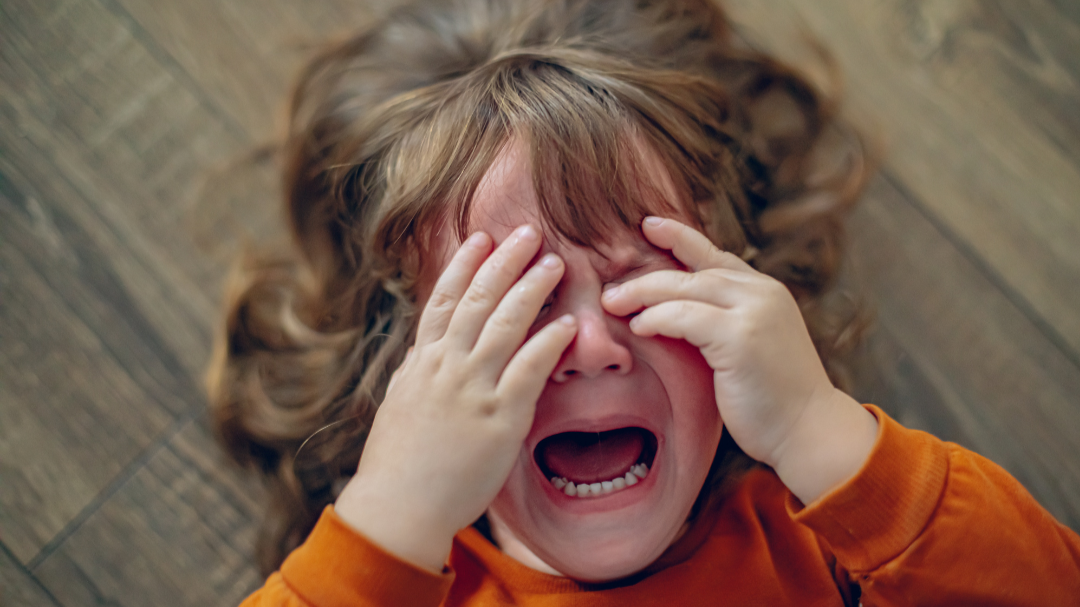
Every parent has seen a meltdown. A dropped snack becomes a disaster, a request to put on shoes turns into a storm, or a small disappointment spirals into tears that won’t stop. Big feelings are a normal part of childhood, especially in the toddler and early school years, when the ability to manage emotions is still developing.
For some children, though, the storms are more frequent, more intense, or slower to pass than what you’d expect for their age. They may go from calm to explosive in seconds, struggle to recover once upset, or seem to live on a hair trigger. This is often described as emotional dysregulation, and it’s hard on the child as well as the whole family.
Chinese medicine looks at emotional dysregulation as a sign that something in the body’s internal balance needs support. The way a child’s emotions show up points to the underlying pattern, and treating that pattern helps children settle from the inside.
What Emotional Dysregulation Looks Like
Emotional dysregulation isn’t a diagnosis on its own. It describes a child who has difficulty managing the intensity of their emotions and returning to calm. It can show up as:
Frequent or intense meltdowns that seem out of proportion to the trigger
Anger or aggression, like hitting, throwing, or yelling
Difficulty recovering once upset
Low frustration tolerance
Sudden mood shifts
Tearfulness or being easily overwhelmed
Shutting down or withdrawing when emotions run high
It often shows up alongside anxiety, ADHD, sleep problems, or sensory sensitivities. If you’re also seeing worry or nervousness, see acupuncture for child anxiety. If focus and attention are part of the picture, see supporting children with ADHD and ADD.
How Chinese Medicine Understands Big Feelings
In Chinese medicine, emotions aren’t separate from the body. Each organ system is connected to particular emotions, and when a system is out of balance, the emotions connected to it become harder to regulate. The kind of dysregulation a child has points to which system needs support.
When Emotions Come From the Liver
The Liver keeps energy and emotion flowing smoothly through the body. When that flow gets stuck, a pattern called Liver Qi stagnation, pressure builds until it bursts out as frustration and anger. Children are naturally prone to this pattern, because their Liver energy is strong and quick to rise.
Signs to watch for:
Explosive anger or sudden outbursts
Frustration when interrupted, told no, or asked to switch tasks
Hitting, throwing, or kicking when upset
Outbursts that come on fast and pass quickly
Restless sleep or waking in the night, especially between 1 and 3 a.m.
Headaches, red cheeks, or a flushed face when upset
Teeth grinding
When Emotions Come From the Heart
The Heart houses the Shen, the mind and spirit. When the Heart is settled, a child feels calm and secure. When it’s overstimulated or unsettled, children become emotionally reactive, easily overwhelmed, and unable to calm down, especially at the end of a busy day.
Signs to watch for:
Getting wound up and unable to come down
Overexcitement that tips into tears
Meltdowns that are worse when tired or overstimulated
Trouble falling asleep with a busy mind
Sensitivity to noise, crowds, or too much going on
Needing a lot of reassurance
Screens and constant stimulation can make this pattern much worse. There’s more on this in screens, Shen, and the cost of constant connection.
When Emotions Come From the Spleen
The Spleen turns food into energy and supports steady thinking. When it’s under-supported, children have less in reserve to cope with stress, and they tip into meltdowns more easily, especially when hungry or tired.
Signs to watch for:
Meltdowns when hungry or after skipped meals
Whining, clinginess, or being easily overwhelmed
Worry or overthinking
Tiredness, especially in the afternoon
Poor appetite, picky eating, or sweet cravings
Loose stools, bloating, or tummy aches
When Emotions Come From the Kidney
The Kidney stores the deep reserves the body draws on for growth and development, and it’s connected to fear. When the Kidney needs support, a child’s dysregulation often has fear underneath it. They may seem timid or anxious, then react strongly when they feel unsafe.
Signs to watch for:
Fearfulness, or strong reactions to new situations
Clinginess or separation difficulties
Startling easily
Low stamina
Bedwetting beyond the typical age
Frequent urination
Most children show signs from more than one pattern, which is why an individual assessment matters.
The Role of the Family’s Nervous System
Children regulate through the adults around them. Long before they can manage their own emotions, children borrow calm from the people closest to them. Their nervous systems are constantly reading and mirroring the emotional states of their parents and caregivers, picking up on tone of voice, facial expressions, body tension, and the overall feeling in the home.
This mirroring works both ways. A calm, grounded parent helps a child’s nervous system settle, even in the middle of a meltdown. When a parent is stressed, rushed, or running on empty, a child often absorbs that tension and expresses it in their own way, through outbursts, clinginess, restless sleep, or difficulty calming down.
This isn’t a reflection of parenting. It’s how children are wired. It does mean that supporting a child’s emotional health often includes supporting the adults around them too. In some cases, I may recommend treating a parent alongside their child. When a parent’s own nervous system is more settled, the child has a steadier foundation to regulate from, and their progress is often faster and more lasting. For more on this, see how your stress shapes your child’s emotions.
What Paediatric Treatment Looks Like
Paediatric acupuncture is about much more than needles. It’s part of Traditional Chinese Medicine, a complete system with several pillars that all work toward the same goal: addressing the underlying pattern behind your child’s symptoms. Treatment is chosen and adapted to your child’s age, constitution, and comfort, and many children receive little or no needling at all.
Paediatric tui na. Tui na isn’t a relaxing massage. It’s a therapeutic hands-on method that works directly with the channels and specific points to move and regulate energy. For young children, much of this work is done on the hands, where specific points and channels can create real energetic shifts. It’s gentle, but it’s effective and powerful. Parents can also learn simple techniques to continue at home between visits.
Shonishin. A Japanese paediatric technique developed for children, using small, rounded tools to stroke, tap, and press along the channels without piercing the skin. Children usually find it comfortable, even fun, and it’s especially well suited to infants and young children.
Moxibustion. Moxa, a warming herb, is held near specific points to bring gentle warmth into the body. It’s never hot enough to burn. It strengthens and warms systems that are depleted.
Acupuncture. When needles are used, I use only one or two points, and depending on the child’s age, I may not use them at all. For younger children, needles aren’t retained. They go in and come straight out. Many children are surprised by how little they feel.
Food therapy & lifestyle guidance. This is one of the most important parts of treatment. In Chinese medicine, food is used to treat the underlying pattern, just like every other modality. A child with Liver Qi stagnation needs different foods than a child with an under-supported Spleen. Diet changes, along with guidance on routines, sleep, and screen time, carry the work of each treatment into daily life at home.
Ear seeds. Tiny seeds held on points of the ear with small adhesive patches. They’re painless and can stay on between visits for ongoing support.
Visits are kept short, and your child is never pushed into anything they’re not comfortable with. If you’re wondering about safety, see is acupuncture safe for children.
What Parents Notice
In practice, parents often notice their child recovering from upsets more quickly, having fewer and less intense meltdowns, and seeming more settled in themselves. Because emotional regulation is tied to the same patterns that affect sleep, digestion, and energy, those areas often improve too. Children may sleep more soundly, eat better, and have more steady energy through the day.
Every child responds differently. Chinese medicine works best as one part of a child’s care, alongside psychological support, occupational therapy, and school supports where they’re needed. If your child’s emotional difficulties are severe, persistent, or affecting safety, school, or friendships, it’s also worth talking to your doctor or a child psychologist.
Supporting Children’s Emotional Health in NW Calgary
I see children and families at The Natural Health Collective in Capitol Hill, NW Calgary. The first visit includes a full assessment of your child’s health history, emotional patterns, sleep, and digestion, so treatment can be tailored to them. If it’s your first time, here’s what to expect at your first acupuncture appointment. Many extended health plans cover acupuncture, and you can check yours using is acupuncture covered by insurance in Alberta.
You can learn more about how I work with kids on my paediatric acupuncture page and in acupuncture for children in Calgary.
Book online or reach out with any questions about whether paediatric treatment is a good fit for your child.
Frequently Asked Questions
Are meltdowns and tantrums normal?
Yes, especially for toddlers and young children, whose ability to manage emotions is still developing. It’s worth looking into when meltdowns are very frequent or intense for your child’s age, take a long time to recover from, or come with sleep, digestive, or behavioural concerns.
Can acupuncture help with my child’s anger and meltdowns?
Chinese medicine treats the pattern underneath the emotions, such as Liver Qi stagnation or an unsettled Heart. When that pattern is supported, children often have fewer and less intense meltdowns and recover more quickly.
Does my child need a diagnosis to come in?
No. Many children I see have emotional concerns without a diagnosis. Chinese medicine can support your child whether or not they have a diagnosis such as anxiety or ADHD.
Can treatment work alongside therapy?
Yes. Chinese medicine works well alongside psychological support, occupational therapy, and school supports. Each addresses a different part of your child’s needs.
Will my child need needles?
Not necessarily. Many children are treated with paediatric tui na, shonishin, moxibustion, and food therapy. When needles are used, only one or two points are used, and for younger children they go in and come straight out.
Dr. Joseph Coccagna is a Doctor of Acupuncture (Dr. Ac.) registered with the College of Acupuncturists of Alberta, practicing at The Natural Health Collective, 1607 20 Ave NW, Calgary, AB.